insert-transcript#759098d5-3188-4923-a84f-26f9dcd19d07-here
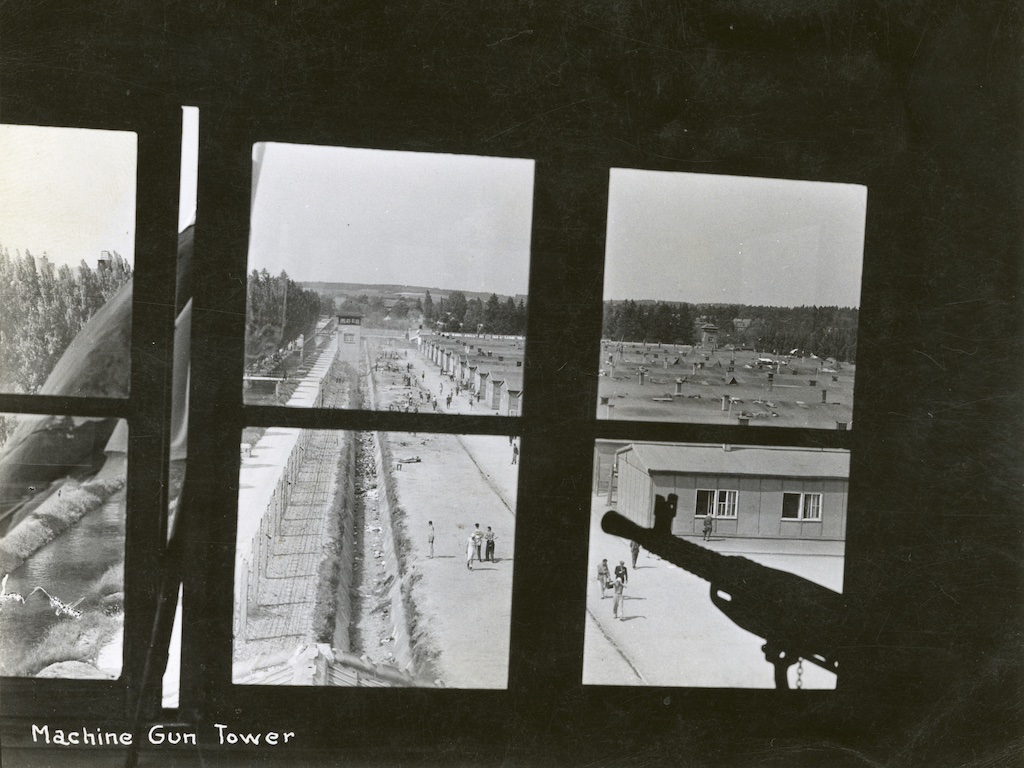
One compelling reason for studying moral psychology is that ethical abilities
appear to play a central role in atrocities
bandura
notes that massive threats to human
welfare
stem mainly from deliberate acts of
principle
rather than unrestrained acts of impulse
and he goes on to note and he
develops essentially over several
decades of work
that those principles and their role in
guiding the action seems to
involve quite a significant role for
reason
‘The massive threats to human welfare stem mainly from deliberate acts of principle, rather than from unrestrained acts of impulse’ (Bandura, 2002, p. 116).
insert-transcript#a1ec04f0-b48d-4a72-962f-eb721979d12f-here
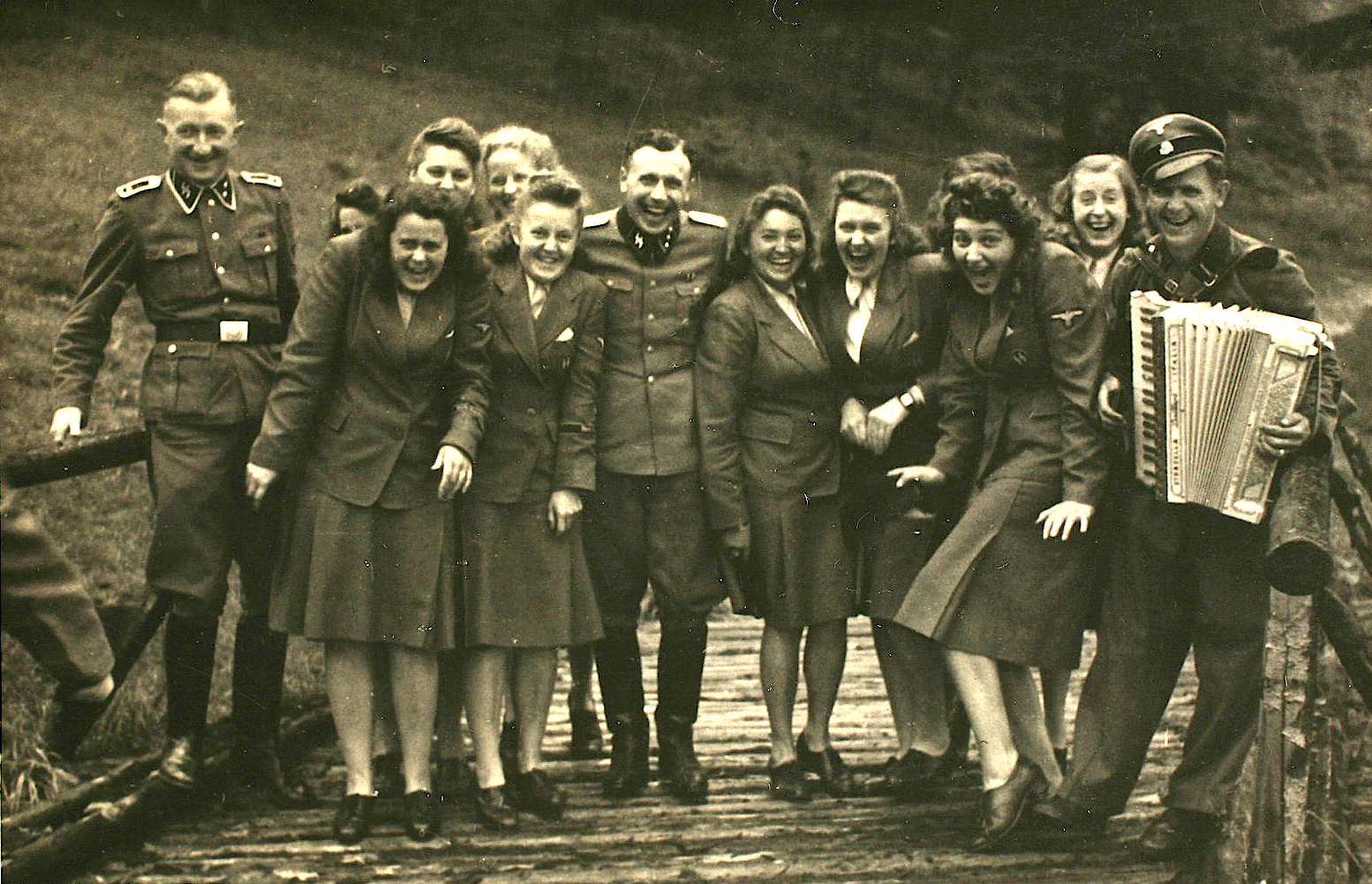
It’s also reason, not just emotion, that enabled ordinary people like these
to perpetrate perhaps the most atrocious acts in human history.