Keyboard Shortcuts?f

×
  • Next step
  • Previous step
  • Skip this slide
  • Previous slide
  • mShow slide thumbnails
  • tShow transcript (+SHIFT = all transcript)
  • nShow notes (+SHIFT = all notes)

Please be cautious in using the transcripts.

They were created mechanically and have mostly not been checked or revised.

Here is how they were created:

  1. live lecture recorded;
  2. machine transcription of live recording;
  3. ask LLM to clean up transcript, and link to individual slides.

This is an error-prone process.

Click here and press the right key for the next slide.

(This may not work on mobile or ipad. You can try using chrome or firefox, but even that may fail. Sorry.)

also ...

Press the left key to go backwards (or swipe right)

Press n to toggle whether notes are shown (or add '?notes' to the url before the #)

Press m or double tap to slide thumbnails (menu)

Press ? at any time to show the keyboard shortcuts


Introduction to Part II: Do Cultural Differences in Moral Psychology Explain Political Conflict on Climate Change?

insert-transcript#04937c7d-be30-4b77-9e6f-234e1e7ead47-here
 

Lecture 04:

Moral Psychology

Course Structure


Part 1: psychological underpinnings of ethical abilities

Part 2: political consequences

Part 3: implications for ethics

insert-transcript#4bf1da66-ed05-4c64-9108-af024e83fe13-here

this will be useful later

insert-transcript#9c1c28e5-48d5-4f3c-8deb-61e638d0db09-here

Background:
more socially conservative ~ stronger homophobia
(Barnett, Öz, & Marsden, 2018).

Significance: 14 countries in the world where it is legal for you to be killed for having sex with someone of the same gender. Of these, 7 countries have recently executed people for homosexuality.

Why?

religion?

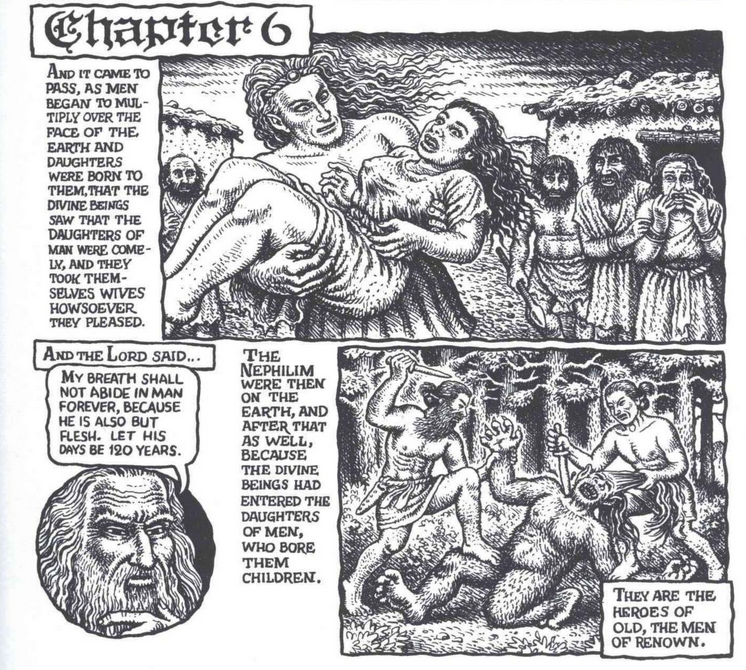
Hard to think this can be a driver (as opposed to a sustaining mechanism) because religious attitudes are so flexible. For example, semitic religions are monotheistic despite stories of demigods mating with humans in Genesis (Hendel, 1987); and many of them are fine with lending money for interest despite this being widely condemned.
You can get a monotheistic religion out of a text that explicitly has demigods raping humans and living on earth among them.
Similarly with ursury.
Religion can maybe explain how homophobia is sustained; but not its origins. Not the religion itself, but something in how it is used, that drives homophobia.
Since much same interpretive expertise is used by some religious adherents to dissociate their religions homophobia, it is hard to think that religion as such can explain why people who identify as more socially conservative tend to exhibit stronger homophobia. (Might still be an effective sustaining mechanism, and may support moral disengagement.)

cultural differences in morality?

insert-transcript#2a896e50-14b8-4525-bb33-397ce5cc11d4-here
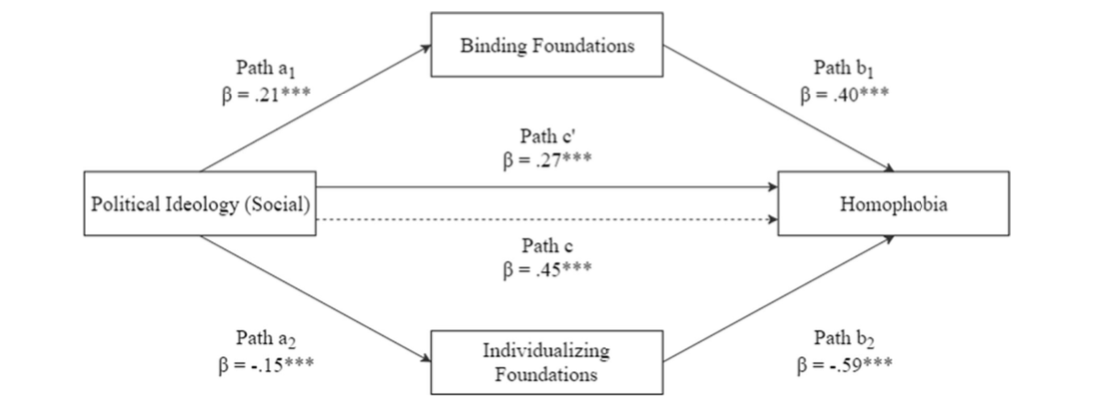
Barnett et al. (2018, p. figure 2)

CAPTION : ‘MultiplemediationmodelforStudy1:politicalideology(social;IV),bindingandindividualizingfoundations(mediators),homophobia(DV)’
How was homophobia measured? ‘We used nine items from the Modern Homophobia Scale (Raja & Stokes, 1998) to assess modern homophobia. Five items were directed toward gay men (e.g.,‘Movies that approve of male homo- sexuality bother me’’), and four items were directed toward lesbians (e.g.,‘‘Lesbians should undergo therapy to change their sexual orien- tations’’).’ (Barnett et al., 2018, p. 1185)

‘political ideology had an indirect effect on homophobia most consistently [...] through the binding foundations(Barnett et al., 2018, p. 1192).

Start with homosexuality (Barnett et al., 2018), (Lai, Haidt, & Nosek, 2014), (Koleva, Graham, Iyer, Ditto, & Haidt, 2012).
‘in the current research sanctity emerged as the strongest predicting foundation for attitudes toward homosexuality (including ATL and ATG), which is consistent with Koleva et al.’s (2012) results, where sanctity was seen to be the strongest predicting foundation for same-sex relationships’ (Lai et al., 2014).
insert-transcript#84a18244-9268-45b0-9319-3cfb0163ed90-here

start

insert-transcript#b401c91b-5e00-49a0-9098-c274bd4ce074-here
Next issue (Part II of lecture course)!

Do cultural differences in moral psychology explain political conflict on climate change?

Plan:

Work through Feinberg & Willer (2013) ‘The Moral Roots of Environmental Attitudes’

What are their background assumptions, and what is the evidence for them?
What is their theoretical framework?

↑ one key source for all of Part II

[THis is here just so that not all authors are listed on the next slide (because of how the citeproc works): (McCright, Dunlap, & Marquart-Pyatt, 2016)]
insert-transcript#61af4632-2aaa-470d-a917-cfec12cb102d-here
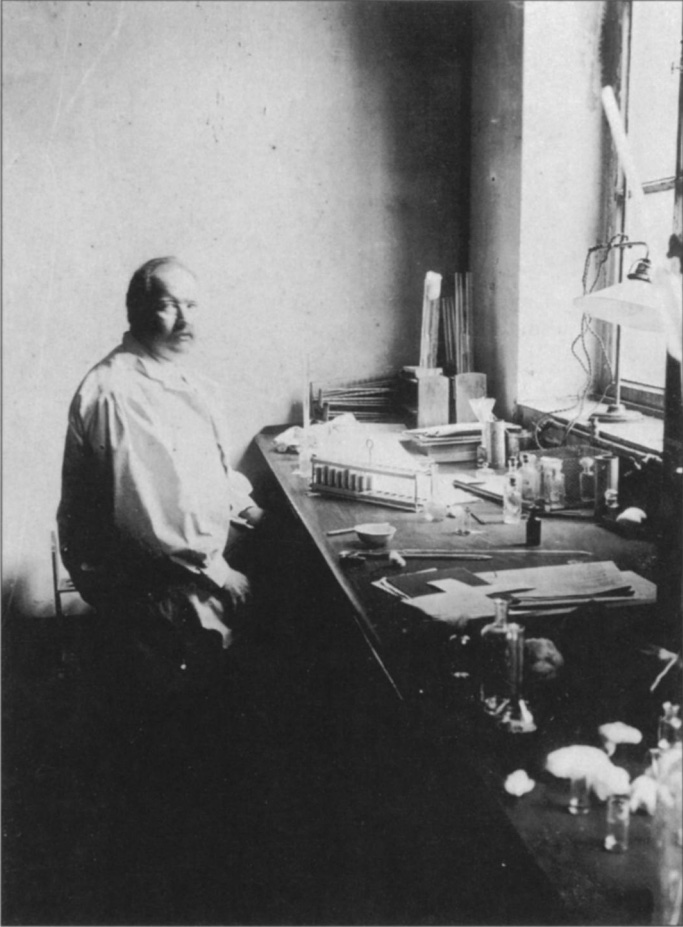
We have known about the effects of burning fossil fuels on temperature since the 1896. (The image is Svante Arrhenius from Crawford (1997).)
I think it is fair to say that not much action has been taken since then.
Progress on mitigating the effects of burning fossil contrasts with other areas where there has been great progress. For example, humans were on track to destory the ozone layer, but rapidly changed course and successfully avoided much damage to our habitats (McKenzie et al., 2019).
There's a nice contrast with knowledge of the link between microbes and disease. Agostino Bassi demonstrates that a microbe (specifically, a fungal parasite) causes a disease in silkworms in 1835.
As you know, this rapidly led to enormous advances in medicine.
Humans’ relation to microbes has fundamentally shifted to their advantage due to huge investment on their part; by contrast, humans have mostly not invested in improving their relationship to the climate.
(The key exception is the ozone layer: it is possible.)
Comparison is not entirely fair because disease was recognized as a threat, whereas climate change was not. (In his 1908 book Worlds in the Making, Arrhenius suggested that a warmer world might be beneficial, providing a better climate for agriculture and shielding future generations from a new Ice Age.)
insert-transcript#342b5dda-d26c-4065-b85c-d162a9367ea7-here

fact to be explained

lib–con divide in support for action on climate change

(McCright et al., 2016)
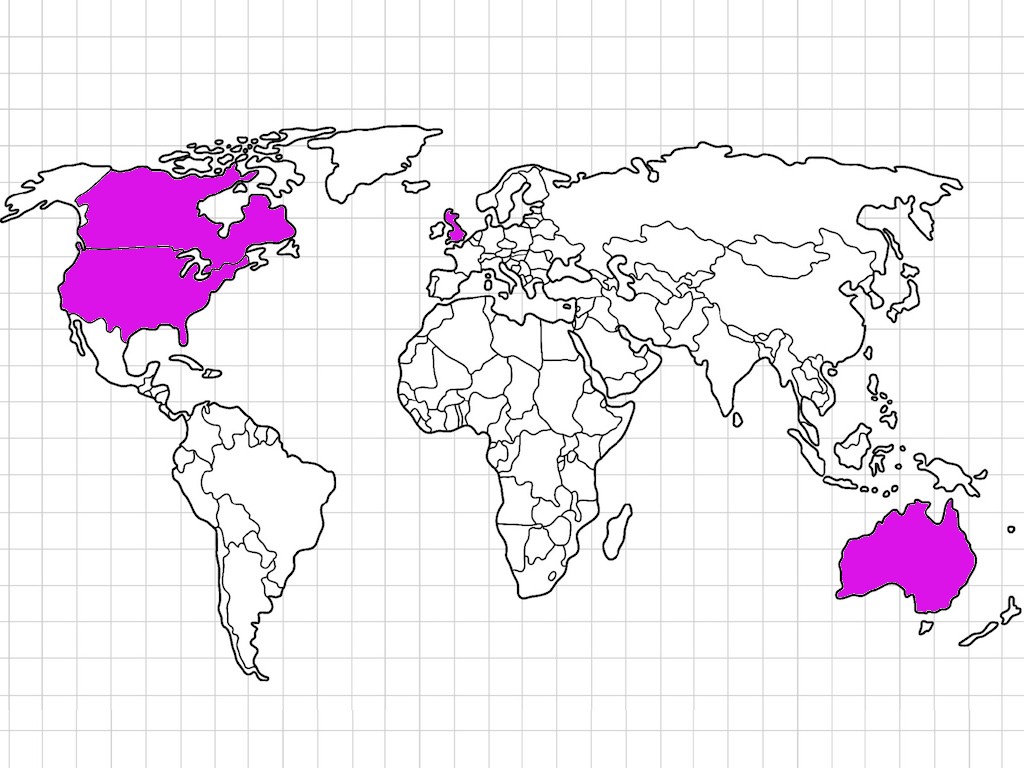
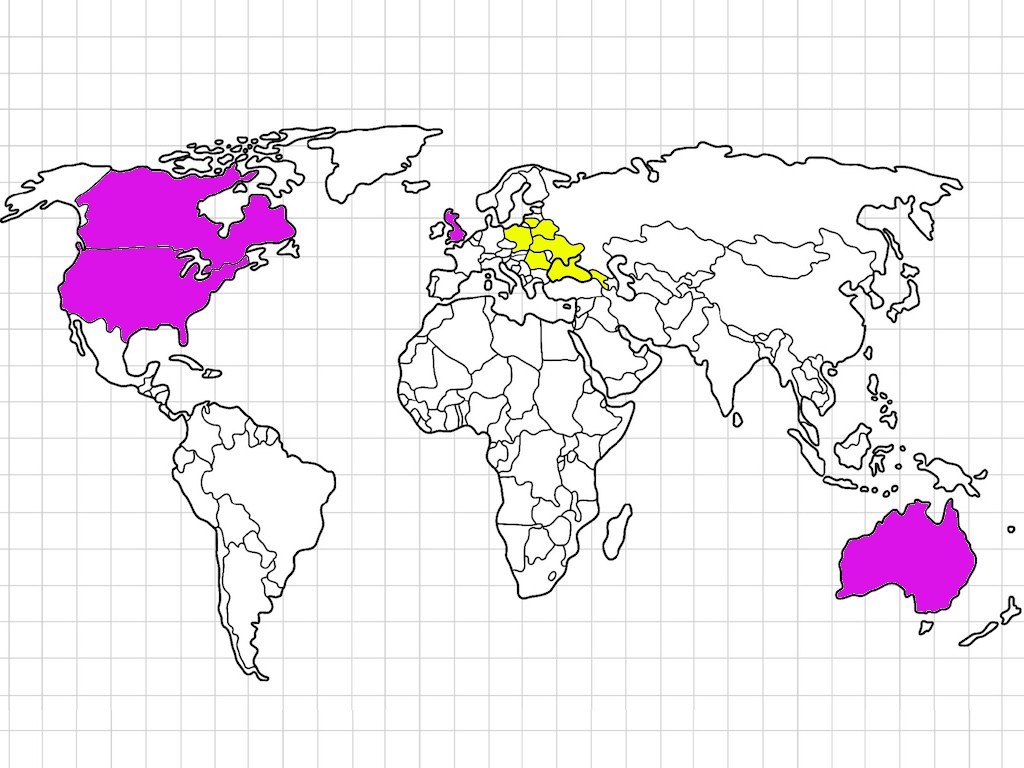
‘Recent research finds a notable political cleavage on climate change views within the general publics of the United States, Australia, Canada, the UK, and a range of other countries around the world, with citizens on the left reporting greater belief in, concern about, and support for action on climate change than citizens on the right do. [...] such an ideological divide on climate change views was not found among the general publics of former Communist countries, [...] the ‘post-Communist effect.’ (McCright et al., 2016, p. 351)
insert-transcript#15979da8-f742-42d7-941b-a0664582e05d-here

fact to be explained

lib–con divide in support for action on climate change

(McCright et al., 2016)
insert-transcript#2a6c4471-bc6b-4d26-80a5-2057586b12f0-here

fact to be explained

lib–con divide in support for action on climate change

(McCright et al., 2016)

insert-transcript#692cf5fb-f05e-451b-b4ab-0efe91f2fbb6-here

fact to be explained

lib–con divide in support for action on climate change

(McCright et al., 2016)

Question

Do cultural differences in moral psychology explain political conflict on climate change?

insert-transcript#7402f2fe-b928-468a-9f4a-723f2c569577-here

Can I have a preview?

1. ‘Moral convictions and the emotions they evoke shape political attitudes’

2. [tbs; roughly descriptive moral pluralism is true]

tbs—to be specified
Skipping details of #2 in the preview

3. ‘liberals and conservatives possess different moral profiles’

There is cultural variation in the bounds of ethics between socially liberal and sociall conservative people.

4. ‘liberals are more likely to view environmental issues in moral terms.’

5. ‘exposing conservatives to proenvironmental appeals based on moral concerns that uniquely resonate with them will lead them to view the environment in moral terms and be more supportive of proenvironmental efforts.’

I want to highlight that we have an explanation for a puzzling fact: in many (but not all) countries, liberals and conservatives divide on climate.
Also, we have an intervention.
insert-transcript#66085ee8-3b5d-4bc2-a413-7513538a8c0a-here

Question

Do cultural differences in moral psychology explain political conflict on climate change?

Feinberg & Willer (2013): Yes. And this fact matters for designing interventions.

Us: let’s see ...