insert-transcript#a5b5d29d-a086-4b80-8b81-e6596ec55f49-here
Let’s think a bit more about physical appearances ...
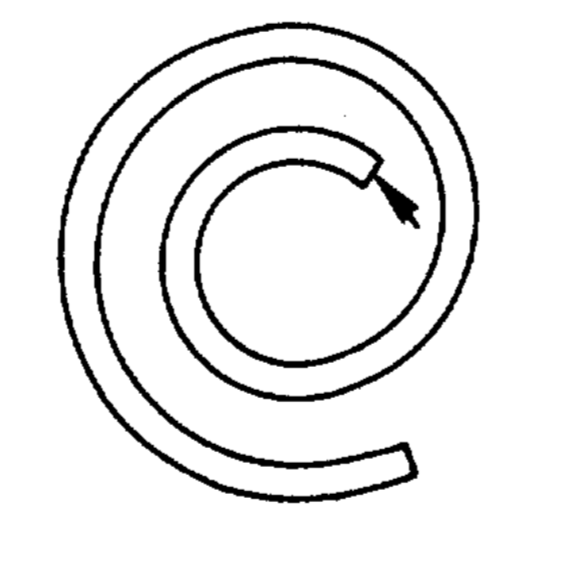
McCloskey, Caramazza, & Green (1980, p. figure 2B)
insert-transcript#a4b88e38-36d7-4d17-92b7-e0ea3c359e5c-here
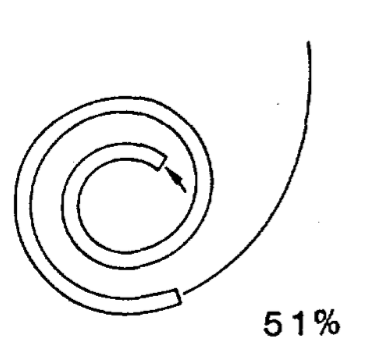
McCloskey et al. (1980, p. figure 2D)
insert-transcript#2cf87013-e3ff-48f8-8885-441bd5984242-here
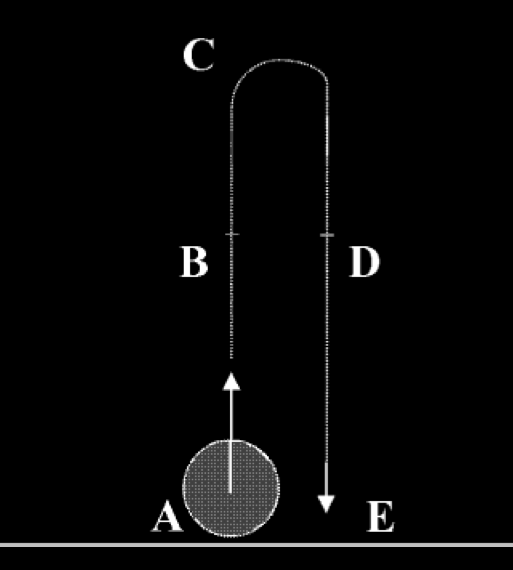
Kozhevnikov & Hegarty (2001, figure 1)
Vertical motion: super high conviction about this, but also clearly wrong.
[skip experimental details, just interested in (i) appearances mislead,
(ii) because of fast processes]
‘Two metal balls are the same size, but one weighs twice as much as the
other. Both are thrown straight up with the same initial velocity. The
time it takes the balls to reach a certain height H will be:’
Fix shape and size. Also fix initial velocity.
How would increasing the object’s mass
affect how quickly it decelerates when launched vertically?
Impetus: larger mass entails greater deceleration (so slower ascent).
Newtonian: larger mass entails lower deceleration (so faster ascent) if
considering air resistance; otherwise size makes no difference.
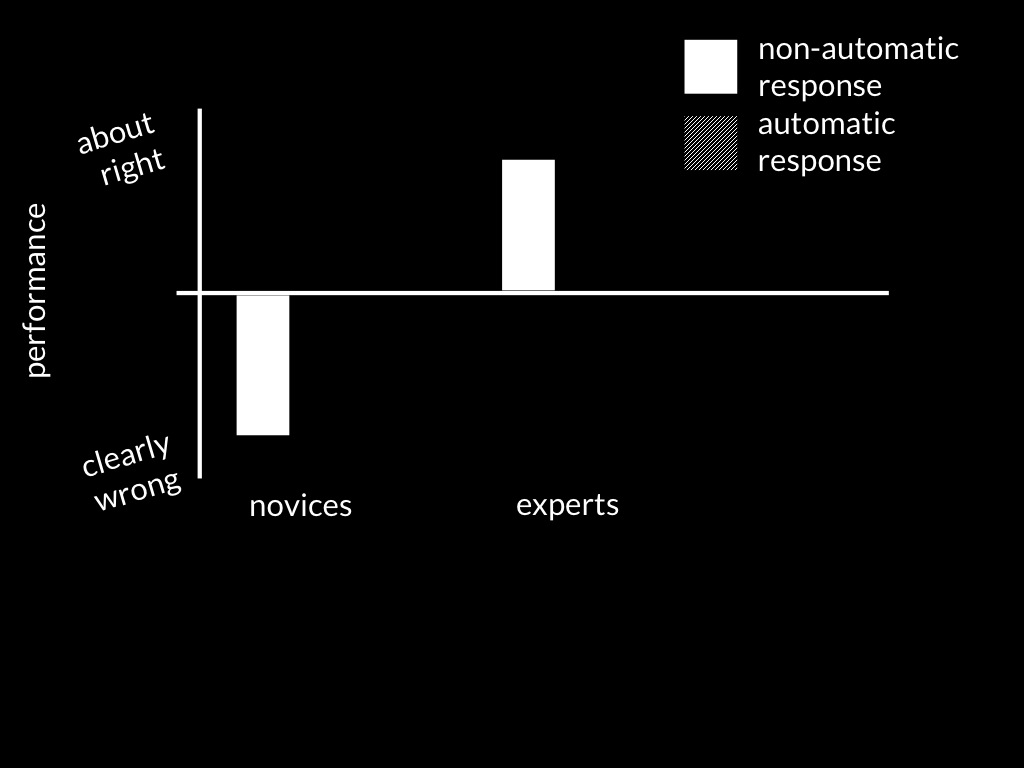
insert-transcript#7e992ce5-9b4e-4c89-bb78-7de915e01a3a-here
simplified from Kozhevnikov & Hegarty (2001)
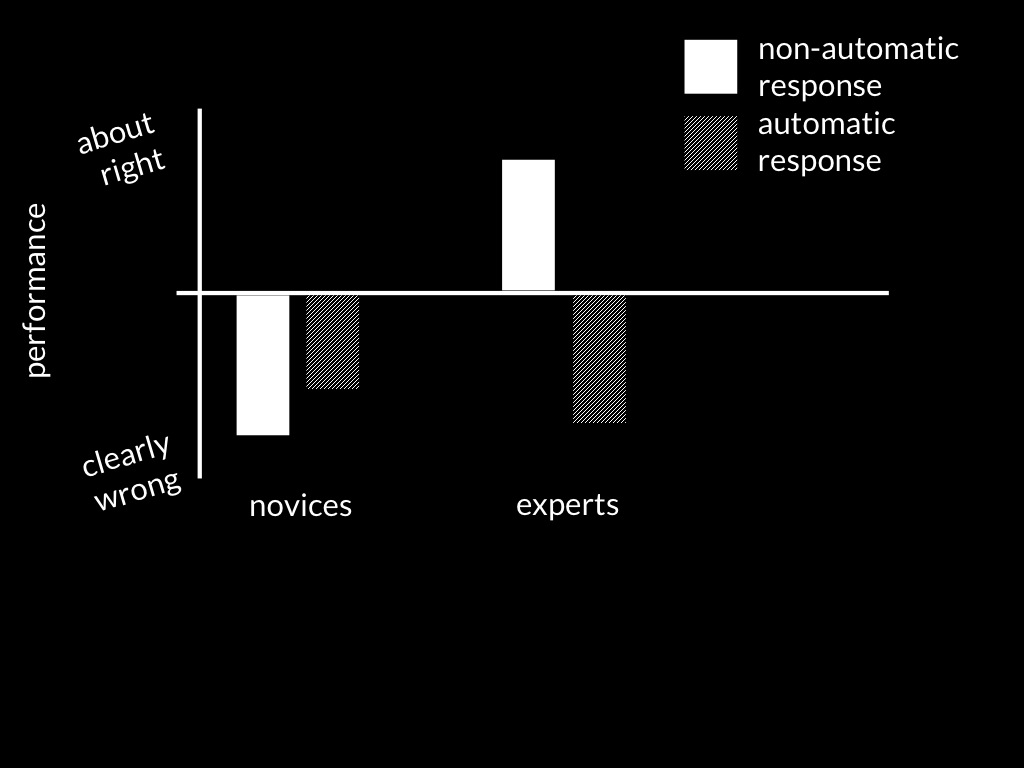
two kinds of process
one dominates rapid responses, gives rise to appearances
and is little modified by academic study
the other dominates reflective consideration and is
flexibly shaped by academic study.
insert-transcript#35e1c313-56cc-4a31-99a3-bc68548f7059-here
simplified from Kozhevnikov & Hegarty (2001)
But even more convincingly, the prediction generated by Kozhevnikov and Heggarty’s
conjecture about the computational description of the
system underpinning representational momentum
has been directly confirmed.
So while not decisive, I take this to be strong evidence
for a \textbf{vertical distinction} between two systems for physical cognition.
insert-transcript#62be7879-80aa-4680-84ad-772d4905b70b-here
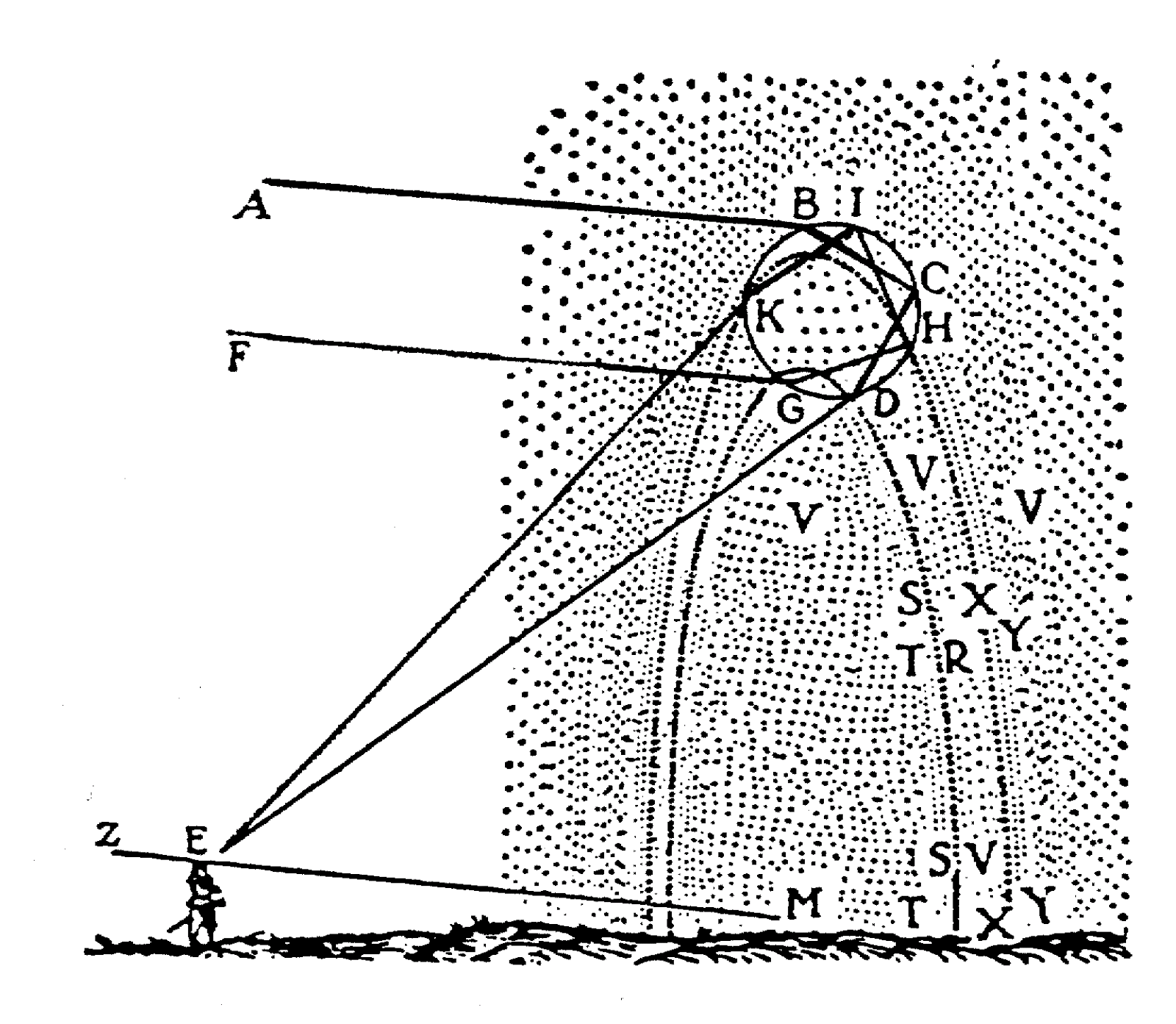
Further illustration (not from The World).
Descartes’ explanation of why the rainbow is a bow.
Relevant because of the gap between sensory perception and the things which cause it.
And shows Descartes examines sensory perceptions.

insert-transcript#6f7c60ab-5c56-4644-a40d-b0fe127f3d0e-here
So far I am just painting a picture. No arguments at all.
(I want you to see where we are going.)