Keyboard Shortcuts?f

×
  • Next step
  • Previous step
  • Skip this slide
  • Previous slide
  • mShow slide thumbnails
  • tShow transcript (+SHIFT = all transcript)
  • nShow notes (+SHIFT = all notes)

Please be cautious in using the transcripts.

They were created mechanically and have mostly not been checked or revised.

Here is how they were created:

  1. live lecture recorded;
  2. machine transcription of live recording;
  3. ask LLM to clean up transcript, and link to individual slides.

This is an error-prone process.

Click here and press the right key for the next slide.

(This may not work on mobile or ipad. You can try using chrome or firefox, but even that may fail. Sorry.)

also ...

Press the left key to go backwards (or swipe right)

Press n to toggle whether notes are shown (or add '?notes' to the url before the #)

Press m or double tap to slide thumbnails (menu)

Press ? at any time to show the keyboard shortcuts


Framing Effects and Mikhail’s Linguistic Analogy (optional)

insert-transcript#8a7e3fc0-c548-4355-9ea9-6788aae9e226-here

Are framing effects are a problem for Mikhail’s argument?

insert-transcript#23b0b310-cc83-4c71-8eeb-c7fae6b565af-here
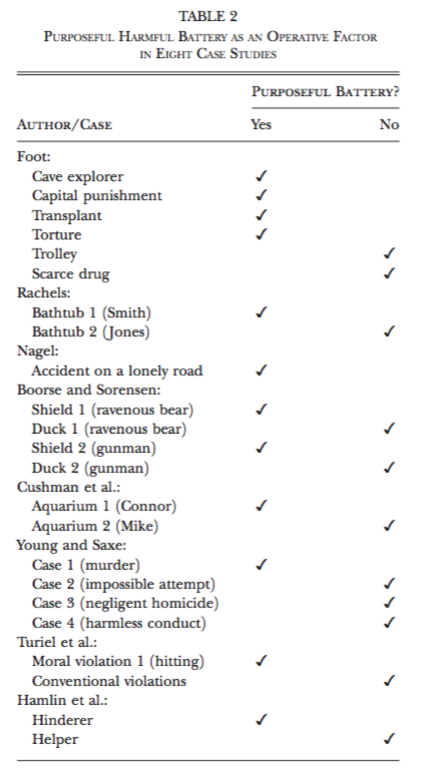
Mikhail, 2014 table 2

insert-transcript#a989fe8f-adbb-4dba-844f-a0db232f7d9c-here
Mikhail’s theoretical argument (reconstruction)

Do humans have a language ethics module?

1. ‘adequately specifying the kinds of harm that humans intuitively grasp requires a technical legal vocabulary’

Compare: ‘ concepts like battery, end, means and side effect [...] can [...] predict human moral intuitions in a huge number and variety of cases’ (Mikhail, 2007, p. 149).

Therefore:

2. The abilities underpinning unreflective ethical judgements involve analysis in accordance with rules.

Mikhail, 2007

insert-transcript#f0b26f75-6ed3-4caf-8d74-688f21e9e7bd-here

Are framing effects are a problem for Mikhail’s argument?

insert-transcript#d085a7d9-dff5-44fa-8f05-103533d933ed-here
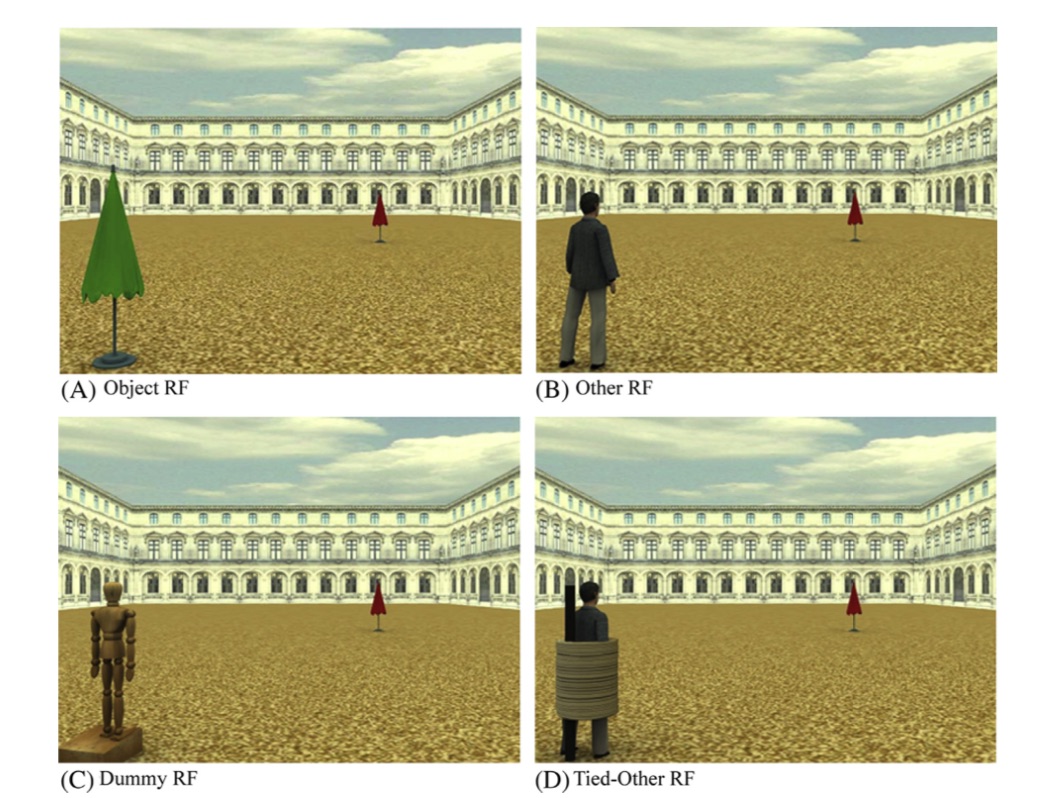
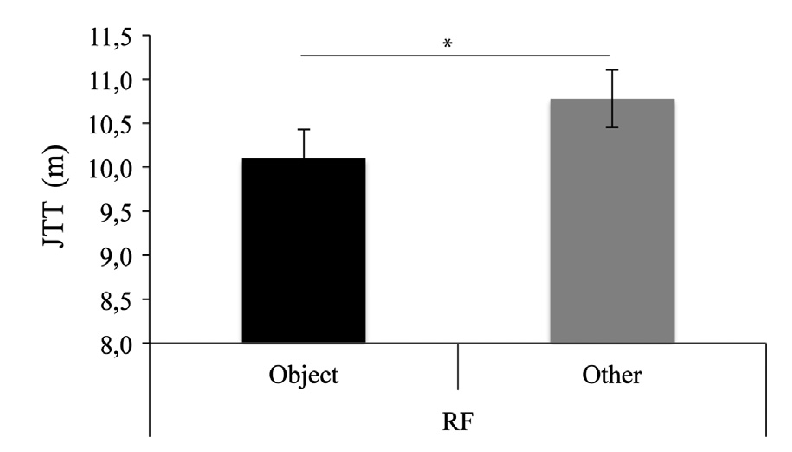
Fini, Brass, & Committeri (2015, p. figure 1, part)

Done in VR
Measure: Judgment’s transition threshold (JTT) = ‘The point where participants expressed a transition from “Far” to “Near” (descending series) and from “Near” to “Far” (ascending series)’
Suppose you are asked to judge whether an object is near or far from you. Your judgements can be influenced by whether another person is in the scene and able to interact with the object (Fini et al., 2015). Yet the judgement you are making is supposed to be about the distance between you and an object; the distance from another person and that person’s ability to interact with the object are irrelevant considerations.
insert-transcript#053ef9ee-5167-4d3d-bc18-aa5eedcef46d-here

framing effects are a problem for Mikhail’s argument

insert-transcript#98613e9b-92dd-48d0-a824-f1fafda5a747-here
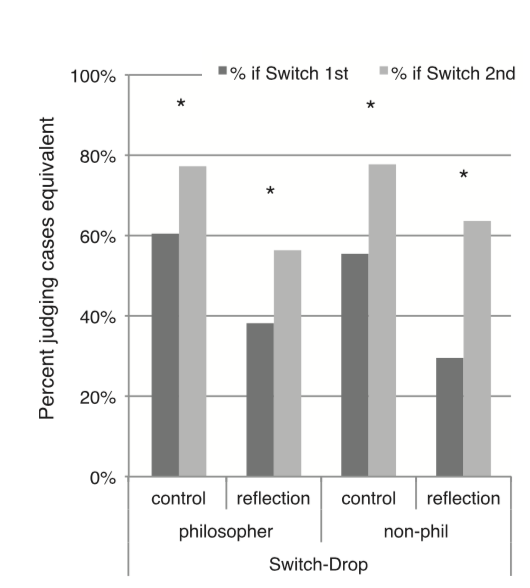
Schwitzgebel & Cushman, 2015 figure 2 (part)

order effects. (Schwitzgebel & Cushman, 2015, p. figure~2 (part))
Potentially two problems here: (i) order effects themselves [main point]; and (ii) reflection makes people more consistent (which seems not expected given the language analogy—should not get change towards truth; does the language analogy imply that reflection takes you away from the truth about ethical attributes of particular actions (as it does for linguistic judgements)?)
insert-transcript#75be195b-85e0-45df-babd-44bcb14ea84a-here

order-of-presentation effects (Schwitzgebel & Cushman, 2015)

additional irrelevant options (Wiegmann, Horvath, & Meyer, 2020)

‘Asian disease’ (Prospect) framing (Wiegmann & Horvath, 2021)

insert-transcript#6fbe1cd4-dcdd-4f23-9771-00525bb0889e-here

ethical
judgements

spatial
judgements

financial
judgements

...

insert-transcript#0560de8e-c929-49d5-93ed-4e0e3615d285-here

In certain cases
‘there is no underlying preference that is masked or distorted by the frame. Our preferences are about framed problems, and our moral intuitions are about descriptions, not about substance

(Kahneman, 2013)

‘Our moral judgments are apparently sensitive to idiosyncratic factors, which cannot plausibly appear as the basis of an interpersonal normative standard. [...] we are not in a position to introspectively isolate and abstract away from these factors.’

(Rini, 2013, p. 265)

‘expert ethicists have a genuine advantage over laypeople with respect to some well-known biases’

(Wiegmann & Horvath, 2021)

Wiegmann & Waldmann (2014) offer evidence that order-of-presentation effects are a consequence of one scenario selectively highlighting an aspect of the causal structure of another scenario.

If this is correct, we might think that the order-of-presentation effect does not show that moral intuitions are not about substance after all.
insert-transcript#24556233-a604-4d1d-81d3-904f6f0a331f-here

Mikhail (2014, p. table 2)

Are framing effects are a problem for Mikhail’s argument?

Framing effects are a problem for Mikhail’s first premise ...
∞todo update: affect heuristic is, in effect, claim about framinig effects (that disgust frames). This means, contrary to what i said before, ythat framing effects are problems for both views (Mikhail’s & affect heuristic).